When a pale yellow patch crawls up the edge of a toenail or a white spot blooms on the body of a finger, the gut reaction is often urgency. The good news is that drugstore antifungal liquids can be surprisingly effective when used with the right expectations. They’re not miracle cures, but they’re practical remedies built to fit into daily life without a prescription. After years of watching patients and friends wrestle with stubborn fungal nails and athlete’s foot, I’ve learned a few truths about how these liquids work, what they can and cannot do, and how to choose the right product in a crowded pharmacy.
What makes antifungal liquids a practical first line of defense? They sit on the shelf, ready to ZetaClear reviews apply, and they come with a straightforward promise: kill the fungus or slow its spread at the site of infection. The active ingredients are typically azoles or allylamines, sometimes paired with soothing bases that help them glide over skin or nails. The chemistry is simple enough to explain in layman terms: the liquid penetrates the outer layer, reaches the site where the fungus thrives, and disrupts essential cell processes. The result is a dampening of the microbe’s ability to multiply, which gives your immune system a better shot at clearing the infection over time.
If you’re new to this, a few practical truths help frame expectations. First, toenail and fingernail infections progress slowly. A nail grows from the root at about 1.6 millimeters per month, which means visible improvements can take several months. This isn’t a quick fix like a topical cream for a rash. Nails are hard structures, and an antifungal liquid has to work through layers of keratin to reach the fungal colonies. Second, surface symptoms often fade before the fungus is fully gone. You may notice less itching or fewer white spots, yet still need weeks of consistent treatment to ensure the fungus doesn’t bounce back. Third, consistency matters more than intensity. A steady, daily application beats a sporadic burst of effort every other week.
Choosing the right drugstore antifungal liquid comes down to a few practical criteria. Start with the active ingredient. Common non-prescription options lean on terbinafine, naftifine, ciclopirox, and isoconazole, among others. Terbinafine is often favored for nail infections because it targets the fingernail and toenail bed more aggressively. Ciclopirox, meanwhile, is versatile and works for a broader range of skin infections, which makes it a reasonable all-purpose option if you’re dealing with both nails and skin in the same area. If you’re dealing only with surface skin infections like athletes’ foot, an isoconazole or miconazole formulation can be effective as well. A key caveat: some liquids require daily application for many weeks, nail fungus cure while others might be used twice daily for a shorter window. Read the label and set a reminder on your phone so you don’t drift off schedule.
Texture and ease of use also matter. Some formulas are light and quick-drying, leaving your skin feeling smooth soon after you apply. Others are thicker or sticky, which can be uncomfortable if you’re applying a liquid to a moist area. If you’re treating toes, you’ll appreciate products with a good spread that dries without catching on socks. If you’re applying to a stubborn nail, a formula that adheres to the nail bed and helps seal moisture in can speed the healing process. In practice I’ve seen patients with the same diagnosis respond differently to different formulations, which means a bit of trial and error is not a crime, it’s a cost of personal optimization.
A frequent point of confusion is how these liquids compare to sprays or gels. The spray form is convenient for larger areas and delicate skin, where you want a fine mist that coats without friction. Liquids, by contrast, often provide deeper penetration when applied with a small brush or dropper and kept in contact with the nail or skin for a moment before drying. The gel-like or liquid bases can influence absorption; if your skin is dry or cracked, a hydrating base might not absorb as well, and you’ll notice slower results. For hands, a liquid can be gentler on the cuticles if applied with patience. For toenails, a slightly thicker base sometimes sticks better to the nail plate.
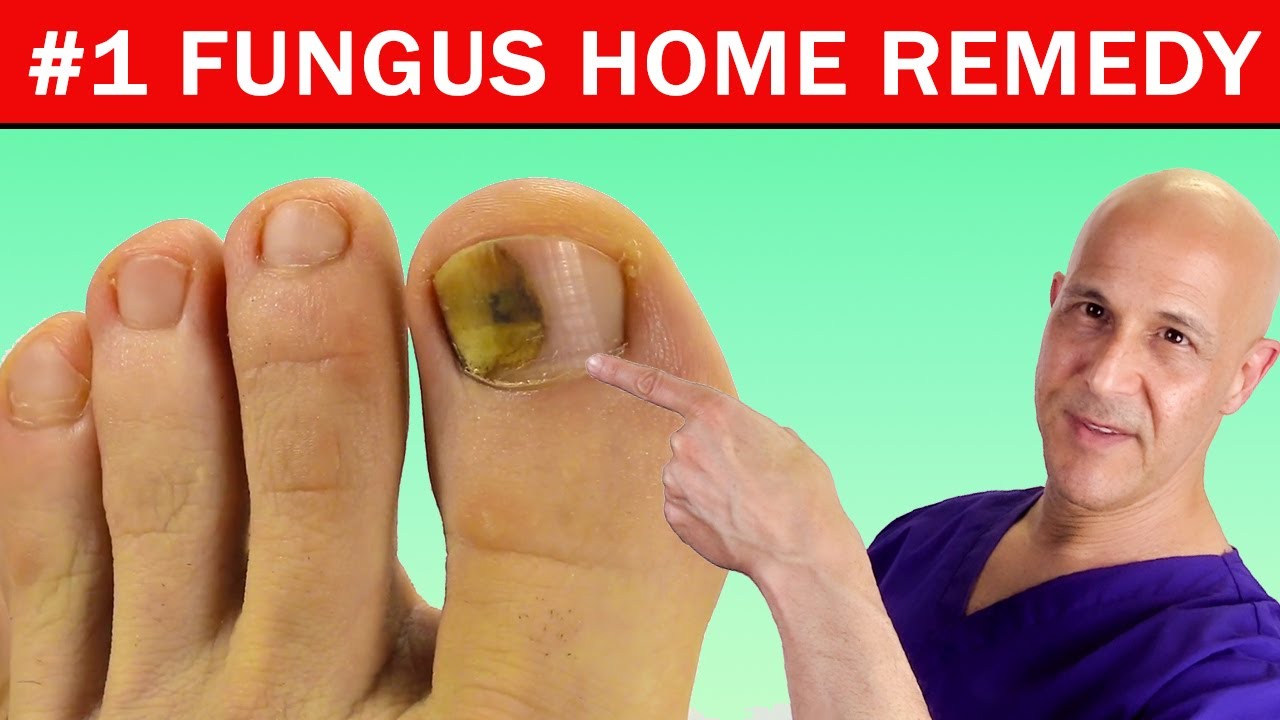
People often ask about the pace of improvement. Realistic timelines vary widely, but here are rough benchmarks drawn from clinic practice and patient experiences. For mild skin infections like ringworm or jock itch, improvements can show within one to two weeks with daily use. Nail infections, the stubborn ones, often require six to twelve months before you see a clear shift in the nail plate. Even then, you may need ongoing maintenance for several months to prevent relapse. A useful heuristic: if you haven’t noticed any improvement after four to six weeks of consistent use, it’s reasonable to reassess. This is a moment to check technique—are you applying to the entire affected area, are you keeping the area clean and dry, and are you following the full course of treatment?
Two practical considerations help many readers decide how to proceed. First, allergies and sensitivities. Some active ingredients can irritate sensitive skin or trigger a reaction around the nail fold or toe. If you experience burning or redness that lasts beyond a few minutes, stop applying and consult a clinician or switch to a different product with a milder profile. Second, what you do beyond the liquid matters. Daily hygiene, keeping socks and shoes dry, avoiding sharing towels or nail clippers, and trimming nails straight across to reduce snagging all play into whether the antifungal liquid can do its job.
To summarize practical takeaways from real-world use:
- Start with terbinafine or ciclopirox if you’re unsure which to pick, and be prepared for a long but steady journey with nails. Expect slow but steady improvement for nails, with symptom relief often visible earlier on skin infections. Choose a formula that fits your routine—quick-drying for on-the-go use or a stickier base if you need a longer contact time. Watch for irritation, and don’t be stubborn about re-evaluating if you see no progress after a solid month. Combine product use with good hygiene habits to maximize results and minimize relapse risk.
If you’re contemplating store bought fungus cure versus prescription options, the most important distinction is intent and scope. OTC fungal nail treatment is designed for common nail infections and minor skin cases. If the infection is widespread, painful, or has persisted for a year or more, a clinician may recommend a prescription solution or even an oral antifungal. The beauty of the non prescription nail solution approach is accessibility and control. You can start treating right away, learn how your body responds, and escalate if needed. For many people, a well-chosen drugstore antifungal liquid becomes a reliable rhythm in daily life rather than a dramatic one-off treatment.
In the end, the best approach blends patience with practical steps. You’ll invest weeks to months, but once you align technique, timing, and product choice with your pace of life, the journey toward healthier nails becomes a little less daunting. The shelf at the drugstore holds more than a bottle of liquid; it holds a gentle, repeatable method for reclaiming comfort and confidence in daily routines. And that makes all the difference when you’re dealing with a stubborn fungal nuisance that doesn’t respect schedules or excuses.